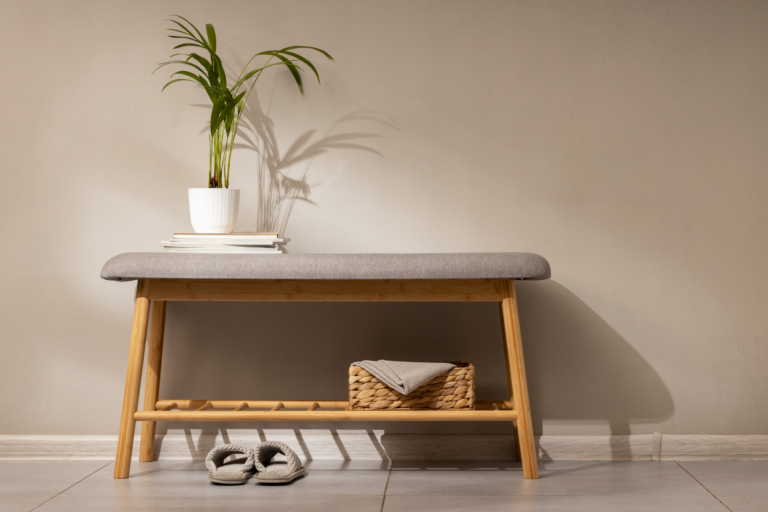
Have you ever walked into someone’s home and immediately thought, this feels so them? That perfect harmony between the furniture, the colors, the art on the walls — it doesn’t happen by accident. It comes from knowing your personal aesthetic and leaning into it with confidence. If you’ve ever stared at a blank living room and had no idea where to start, you’re not alone. That’s exactly why taking a decor style quiz can be such a game-changer.
A decor style quiz isn’t just a fun way to kill fifteen minutes on a Sunday afternoon (though it certainly is that). It’s actually a surprisingly effective tool for cutting through the overwhelming sea of Pinterest boards, IKEA catalogs, and Instagram reels to figure out what genuinely resonates with you. Once you understand your home interior style quiz results, decorating stops feeling like guesswork and starts feeling like self-expression.
In this guide, we’re going to walk you through everything you need to know — from how these quizzes work, to the major interior design styles they typically identify, to how you can actually use your results to transform your space. Whether you’re moving into a new home or finally committing to a long-overdue refresh, knowing your decorating personality is the first real step.
So — ready to find out what your space has been trying to tell you all along? Let’s dig in.
What Is a Decor Style Quiz and Why Does It Matter?
At its core, a decor style quiz is a series of carefully designed questions meant to identify your aesthetic preferences, lifestyle habits, and emotional responses to different visual environments. Some quizzes ask you to choose between images. Others ask questions like “Do you prefer an open floor plan or cozy, defined rooms?” or “Which word best describes your dream home: serene, vibrant, rustic, or sleek?”
The goal isn’t to box you into a single category forever. It’s to give you a starting point — a design language you can explore, modify, and make your own.
Why People Struggle to Define Their Style Without Help
Here’s the honest truth: most people aren’t trained to articulate what they like visually. We know what we feel when we walk into a room we love, but translating that feeling into actionable design choices? That’s where things get murky.
Think about how many times you’ve saved something to a mood board only to realize later that it doesn’t match anything else you’ve saved. That’s a style identity crisis in action. A quiz home decor style assessment helps you identify patterns in your preferences that you might not have noticed on your own.
There’s also the confidence factor. When you walk into a furniture store without a clear sense of your style, everything looks either too expensive or slightly wrong. When you know you’re drawn to mid-century modern, you can walk past the overstuffed recliners without a second glance and head straight for the walnut-legged credenzas. Clarity saves time, money, and a lot of interior design regret.
How Accurate Are These Quizzes?
That depends entirely on how honest you are when answering. The best decor style quizzes are built around real interior design frameworks — not random associations. They take into account not just what you find beautiful, but how you live: How often do you entertain? Do you have kids or pets? Do you work from home? Do you prefer visual calm or rich, layered stimulation?
A well-constructed home interior style quiz will cross-reference your answers to identify not just one style, but a primary style with secondary influences. Because the truth is, almost nobody is purely one thing.
The Major Interior Design Styles Most Quizzes Identify
When you take a decor style quiz, your results will typically land in one of several major categories. Here’s a breakdown of the most common ones and what they actually mean for your space.
Modern and Contemporary Style
These two terms are often used interchangeably, but they’re not quite the same. Modern refers specifically to mid-20th century design: clean lines, organic shapes, and a “less is more” philosophy. Contemporary is more fluid — it reflects whatever is trending right now, which often means a blend of clean lines with warmer textures and mixed materials.
If your quiz home decor style result lands here, you probably gravitate toward neutral palettes punctuated by one or two bold accent colors, statement furniture pieces, and an overall feeling of intentional simplicity. Clutter is your enemy. Open space is your friend.
Key elements: Sleek furniture, minimal ornamentation, neutral tones, statement lighting, natural materials like stone and wood.
Bohemian and Eclectic Style
Boho is for the collectors, the travelers, the people who believe a home should tell a story. If your what is my interior decorating style result points here, you’re drawn to layered textiles, mismatched patterns that somehow work together, global influences, and an abundance of plants and natural elements.
The magic of bohemian decorating is that it looks effortless — but it actually requires a good eye. The key is unifying eclectic pieces through color or texture so the room feels curated rather than chaotic.
Key elements: Macramé, rattan, layered rugs, vintage finds, rich jewel tones, plenty of greenery.
Farmhouse and Rustic Style
Warm, unpretentious, and deeply livable — farmhouse style has dominated home decor trends for the better part of a decade, and for good reason. It prioritizes comfort over formality, natural materials over synthetic ones, and a kind of worn-in charm that feels instantly welcoming.
If this is your result on the home interior style quiz, you probably love shiplap walls, barn doors, linen fabrics, and furniture that looks like it’s been passed down through generations. The modern farmhouse version of this style layers those rustic elements with cleaner, more refined finishes for a look that’s both casual and polished.
Key elements: Reclaimed wood, neutral whites and warm grays, vintage-style fixtures, open shelving, cozy textiles.
Scandinavian and Minimalist Style
If your ideal room involves a lot of white space, a few perfectly chosen objects, and a general sense of peaceful restraint — Scandinavian design is likely calling your name. Rooted in the Nordic philosophy of hygge (the art of coziness and contentment), this style pairs simplicity with warmth in a way that feels deeply intentional.
This is one of the most popular decor style quiz results because it appeals to people who are overwhelmed by visual noise and crave a home that feels like a genuine retreat.
Key elements: White and light wood palettes, functional furniture, soft textiles, minimal decor, natural light prioritized above all.
Traditional and Classic Style
Traditional style is elegantly familiar — it draws from European design heritage and emphasizes symmetry, rich fabrics, dark wood finishes, and a sense of formal grace. It’s the opposite of stark minimalism: layered, detailed, and deeply comfortable in a more structured way.
If you answered a quiz home decor style assessment with a love for antiques, rich color palettes, and rooms that feel like they’ve been lived in and loved for decades, traditional style is probably your home.
Key elements: Symmetrical arrangements, crown molding, upholstered furniture, patterned fabrics (florals, stripes, plaids), dark wood accents.
Industrial Style
If you’re drawn to exposed brick, Edison bulbs, raw concrete, and the kind of aesthetic that looks like a converted warehouse loft, industrial design is your language. It’s edgy, urban, and unapologetically bold.
What makes it work as a livable style (rather than just a photogenic one) is how you soften the hard edges — through leather seating, warm rugs, and layered lighting that transforms utilitarian bones into something genuinely inviting.
Key elements: Metal accents, exposed structural elements, leather, dark palettes, vintage industrial fixtures.
Transitional Style
This is arguably the most practical result on a decor style quiz — and also one of the most common. Transitional design bridges the gap between traditional warmth and contemporary simplicity. It’s for people who love classic silhouettes but don’t want their home to feel stuffy, and who appreciate clean lines but not at the cost of comfort.
Key elements: Neutral palettes with warm undertones, classic shapes with updated finishes, mixed materials, understated elegance.
How to Use Your Quiz Home Decor Style Results in Real Life
Getting your result is the fun part. Actually using it? That’s where most people stall out. Here’s a practical framework for turning quiz results into a real, cohesive home.
Start With One Room
Don’t try to redecorate your entire home at once. Pick one room — ideally the one you spend the most time in — and use it as your style laboratory. Apply the principles of your identified style, live with it for a few weeks, and see what feels right and what needs adjusting.
Build a Color Story
Every interior design style has a natural color palette. Once you know your style, research its signature colors and use them to create a cohesive thread through your space. You don’t need to paint every wall the same color — but a consistent palette (usually two to three neutrals plus one or two accent colors) will make your home feel intentionally designed rather than randomly assembled.
Shop With Intention
Knowing your what is my interior decorating style result means you can shop with a filter. Before buying anything, ask: does this piece belong in my style, or am I just attracted to it in isolation? Not everything beautiful belongs in your home. Some things are just beautiful in someone else’s.
Mix, Don’t Match
The most interesting interiors rarely stick rigidly to one style. Your primary style is your anchor — but you can layer in secondary influences. Someone with a primarily minimalist sensibility might add a single bohemian textile for warmth. Someone with a farmhouse result might incorporate a few industrial metal accents. The quiz gives you a compass, not a cage.
Invest in the Fundamentals First
Whatever your style, certain pieces matter more than others. Sofas, rugs, and beds are the foundations of most rooms. Get those right according to your style before layering in accessories. A stunning lumbar pillow cannot save a sofa that belongs in a different aesthetic universe.
What Is My Interior Decorating Style? Signs You Already Know the Answer
Here’s something most design advice doesn’t tell you: you probably already have a strong instinct for what you like. The problem isn’t a lack of taste — it’s a lack of vocabulary and confidence to trust it.
Look at What You’ve Already Bought
Pull everything you own out of its corner and look at it critically. Is there a pattern? Do most of your furniture pieces share a silhouette — curved or angular? Are your fabrics mostly solid or patterned? Is your color palette warm or cool? Your existing choices reveal a lot about your natural aesthetic.
Pay Attention to What Stops You Mid-Scroll
The next time you’re scrolling through design content, notice which images make you physically pause. Don’t analyze it — just notice it. Those involuntary reactions are more revealing than any carefully considered quiz answer.
Think About How You Want to Feel in Your Home
Interior design, at its best, is emotional architecture. So rather than starting with “what do I want my home to look like?” — start with “how do I want my home to feel?” Calm and restorative? Lively and social? Sophisticated and refined? Warm and casual? The feeling guides the aesthetic.
Common Mistakes People Make After Taking a Decor Style Quiz
Getting your style result is exciting — but there are a few ways people tend to go sideways from there.
Treating the Result as a Rigid Prescription
Your quiz home decor style result is a starting point, not a rulebook. If your result says “industrial” but you genuinely love a velvet sofa, the velvet sofa should win. Style is personal, and personality rarely fits perfectly inside any category.
Ignoring Practicality
A minimalist aesthetic looks beautiful in photographs, but if you have three kids and a golden retriever, an all-white interior is a recipe for stress. Your style needs to work for your actual life — not the life you imagine having when you’re browsing design accounts at midnight.
Buying Everything at Once
Authentic, interesting spaces develop over time. The most beautifully decorated homes you’ve ever been in weren’t assembled in a weekend from a single store. They evolved, piece by piece, with intention. Be patient. Edit ruthlessly.
Confusing “Inspired By” With “Identical To”
There’s a difference between being inspired by a designer’s room you saw on a home tour and trying to recreate it exactly. Use inspiration as a mood reference, not a blueprint. Your version of a style should reflect your life, your history, and your taste — not someone else’s.
Frequently Asked Questions
Decor Style Quiz FAQs
What is a decor style quiz and how does it work?
A decor style quiz is a series of questions designed to identify your personal interior design preferences. Questions typically cover your color preferences, furniture choices, lifestyle habits, and emotional responses to different room styles. Based on your answers, the quiz maps your responses to established interior design categories like modern, bohemian, farmhouse, or transitional. The result gives you a design language to work with as you decorate your home.
How accurate is a home interior style quiz?
The accuracy depends on how reflective and honest you are when answering the questions. A well-designed quiz draws on real interior design frameworks and considers not just aesthetics but how you live. Most reputable quizzes are quite reliable as a starting point — though they work best when you treat the result as a guide rather than an absolute verdict.
What if my decor style quiz result doesn’t match what I thought I liked?
That’s actually a valuable outcome. Sometimes the quiz surfaces preferences you hadn’t consciously identified. Look at the style description carefully — you might find that it resonates more than you initially expected. If it truly doesn’t feel right, try a different quiz or answer the questions again more slowly. You can also ignore specific sub-elements of the result that don’t appeal to you.
Can I have more than one interior decorating style?
Absolutely. In fact, most people do. The best decor style quiz results will identify a primary style and secondary influences. This is realistic — very few people are entirely one thing. The goal is to find a dominant aesthetic that anchors your space, with secondary styles used to add personality and depth.
What is my interior decorating style if I love multiple styles equally?
If you love elements from multiple categories without a clear dominant preference, you likely have an eclectic or transitional style. Eclectic style celebrates exactly this — the artful blending of different aesthetics. The key to making it work is finding a common thread (usually color or material) that ties different influences together.
How do I use my quiz home decor style results when shopping for furniture?
Use your style result as a filter. Before purchasing any piece, ask yourself whether it fits within the vocabulary of your identified style. Look up signature furniture silhouettes, materials, and finishes associated with your style. Over time, this filter becomes instinctive and makes shopping faster and more decisive.
How often should I take a decor style quiz?
Your taste can evolve — especially after major life changes like moving, having children, or significant shifts in your lifestyle. It’s not a bad idea to retake a quiz every few years to see whether your preferences have shifted. Think of it as a periodic check-in with your own aesthetic sensibilities.
Is there a difference between interior design style and home decor style?
Interior design style refers to the broader architectural and structural decisions in a space — layout, materials, built-in elements. Home decor style is more about the furnishings, textiles, accessories, and finishes you layer on top of the architecture. In practice, most people use the terms interchangeably, and a quiz home decor style assessment helps with both.
Do I need to stick to one style throughout my whole house?
Not necessarily. It’s actually quite common — and often beautiful — to have a consistent primary style throughout shared spaces (living room, dining room, kitchen) with more personal, expressive styles in bedrooms or private spaces. The most important thing is that each room feels intentional and that there’s enough visual harmony between spaces to make the overall home feel cohesive.
What if my partner has a completely different decor style quiz result?
Welcome to one of the most common interior design challenges. The good news is that transitional style exists precisely for this reason — it’s designed to blend classic and contemporary sensibilities. Start by identifying the elements you both love and build from there. Look for furniture and decor that shares some quality you both respond to, whether it’s a material, a color, or a level of formality.
Conclusion
Your Home, Your Story
Taking a decor style quiz won’t design your home for you — but it will hand you something far more valuable: a clear sense of direction in a world absolutely drowning in design options. Knowing what is your interior decorating style means you can finally walk through a room and understand, at a gut level, what belongs there and what doesn’t.
The best part? Your style isn’t static. It grows with you, shifts with your life, and deepens with every piece you choose thoughtfully. A quiz gives you the starting language — what you do with it from there is entirely your own.
Whether you’re a committed minimalist, a passionate bohemian collector, a farmhouse romantic, or something beautifully in between, your home deserves to feel like you. Not a catalog. Not someone else’s Instagram feed. You.
So if you haven’t taken a decor style quiz yet, now’s as good a time as any. And if you have — maybe it’s time to actually start listening to what it told you.