By now, you know that a labradorite countertop is not just a surface—it’s a showstopper. In this section, we’ll focus on how to style it, where it works best, and how different colors change the mood of your space. Don’t worry—this will be simple, fun, and easy to imagine, even if you’re not a design expert.
Let’s bring this magical stone to life
Why Design Style Matters With Labradorite
A labradorite countertop has strong personality. It shines, sparkles, and shifts color when light hits it. That means your design style should support it—not fight it.
Think of labradorite like the main character in a movie. Everything else plays a supporting role.
Whether you’re planning labradorite countertops for a kitchen, island, or vanity, the style you choose will decide how bold or calm the space feels.
Best Design Styles for Labradorite Countertops
1. Modern & Minimal Spaces
If you love clean lines and open spaces, labradorite fits beautifully.
Why it works:
- Simple cabinets let the stone shine
- Neutral colors balance the sparkle
- Less clutter = more visual impact
A black labradorite countertop looks stunning in modern kitchens with:
- Flat-panel cabinets
- Matte black or white finishes
- Simple handles
This is a perfect match for a labradorite kitchen countertop that you want to feel bold but not busy.
2. Luxury & High-End Interiors
Labradorite was made for luxury.
If your goal is a “wow” kitchen or bathroom, labradorite granite countertops are an excellent choice.
Luxury spaces often pair labradorite with:
- Gold or brass fixtures
- Glossy cabinets
- Soft lighting
A moonstone labradorite countertop adds an elegant glow that feels rich without being flashy.
3. Nature-Inspired & Earthy Homes
Love nature? Labradorite comes straight from the earth, so it fits right in.
A green labradorite countertop works beautifully with:
- Wooden cabinets
- Plants and natural light
- Warm beige or cream walls
This style feels calm, cozy, and grounded—perfect for homes that want a peaceful vibe.
4. Bold & Artistic Spaces
If you love color and creativity, labradorite will feel right at home.
A blue labradorite countertop or blue labradorite countertops can:
- Become the main design feature
- Add drama without paint or art
- Change color as light moves
Many designers use blue labradorite granite countertops in statement kitchens or custom islands to create a one-of-a-kind look.
Understanding Labradorite Colors (Made Simple)
One of the coolest things about labradorite is its color play. Let’s break it down in the easiest way possible.
Black Labradorite Countertops
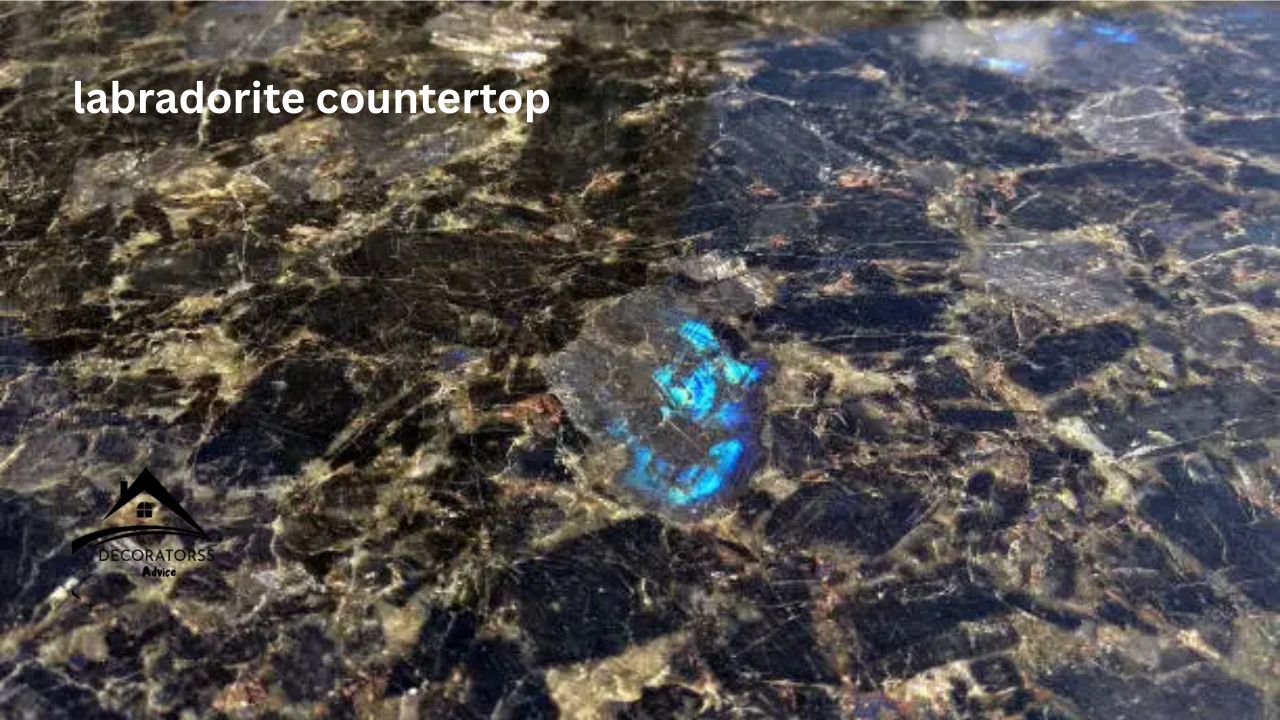
A black labradorite countertop looks dark at first—but when light hits it, blue and silver flashes appear.
Best for:
- Modern kitchens
- High-contrast designs
- Sleek, dramatic spaces
It hides small marks well and always feels classy.
Blue Labradorite Countertops
A blue labradorite countertop is bold, bright, and eye-catching.
Why people love it:
- Changes shades throughout the day
- Looks alive under lighting
- Makes kitchens unforgettable
If you want guests to say “WOW,” blue labradorite countertops are a strong choice.
Green Labradorite Countertops
A green labradorite countertop feels calm and natural.
Perfect for:
- Nature-inspired homes
- Soft, relaxing kitchens
- Pairing with wood or stone
It’s a great option if you want beauty without overpowering the room.
Best Places to Use Labradorite Countertops
Kitchen Islands
This is the #1 place designers love to use labradorite.
Why?
- Islands get the most attention
- Lighting makes the stone glow
- You don’t need as much material
Using labradorite on just the island helps manage the labradorite countertop cost while still making a big impact.
Full Kitchen Countertops
A full labradorite kitchen countertop setup is bold and luxurious.
Best if:
- You love statement designs
- Your cabinets are simple
- Your space has good lighting
Keep in mind, full coverage increases the cost of labradorite countertop, but the result is breathtaking.
Bathroom Vanities
Smaller space, big style.
A labradorite vanity:
- Feels like a luxury hotel
- Needs less stone
- Lowers the labradorite countertop price
This is a smart way to enjoy labradorite without going over budget.
Lighting Makes All the Difference
Here’s a simple truth:
Labradorite needs light to shine.
Best lighting options:
- Under-cabinet lights
- Pendant lights over islands
- Soft white LEDs
Without good lighting, even the most beautiful labradorite countertops won’t show their magic.
Mixing Labradorite With Cabinets & Backsplashes
To keep things balanced:
- Choose plain cabinets
- Avoid busy patterns nearby
- Let the countertop lead
White, gray, or light wood cabinets work best with:
- blue labradorite countertop
- black labradorite countertop
- moonstone labradorite countertop
This keeps the space feeling clean and calm.
Does Style Affect the Price? (Yes, a Little)
Design choices can impact:
- Fabrication time
- Edge detailing
- Total material used
That means your final labradorite countertop cost may change based on:
- Size of the area
- Color rarity
- Installation complexity
Many homeowners ask: how much are labradorite countertops?
The answer depends on:
- Stone quality
- Color (blue tones often cost more)
- Whether it’s a full kitchen or accent piece
This is why planning your design early helps control the labradorite countertop price.
Emotional Impact: How Labradorite Makes You Feel
This stone isn’t just beautiful—it creates emotion.
People often say labradorite feels:
- Magical
- Calming
- Powerful
- Unique
A well-placed labradorite granite countertops design can make your home feel special every single day.
Maintenance and Care for Labradorite Countertops
Congratulations! You’ve picked your labradorite countertop, chosen the color, style, and had it professionally installed. Now comes the part that keeps it looking magical for years: maintenance and care.
Don’t worry—it’s simpler than you think. Think of it as giving your countertop a little love every day. In return, it will continue to dazzle everyone who walks into your kitchen or bathroom.
1. Sealing Your Labradorite Countertop
The first step in caring for a labradorite countertop is sealing.
Sealing:
- Protects the stone from spills and stains
- Enhances the stone’s natural color and shine
- Helps your countertop last longer
Most professionals recommend sealing labradorite countertops at installation and reapplying every 12 months.
Pro tip: A blue labradorite countertop or black labradorite countertop will show the brilliance even more after sealing.
2. Cleaning Your Labradorite Countertop
Keeping your labradorite kitchen countertop clean is easy if you follow a few simple rules:
- Use mild soap and warm water for daily cleaning
- Avoid harsh chemicals, bleach, or ammonia
- Wipe up spills immediately, especially acidic liquids like lemon juice or vinegar
Following these steps ensures that your labradorite countertops continue to shine without dulling the color flashes.
3. Preventing Scratches and Chips
Even though labradorite is strong, it can scratch or chip if mishandled.
Tips for protection:
- Use cutting boards instead of cutting directly on the countertop
- Avoid dropping heavy pots or utensils
- Use trivets or heat pads under hot pans
This is especially important for moonstone labradorite countertops and green labradorite countertops, which are lighter in tone and can show marks more easily.
4. Avoiding Heat Damage
A labradorite countertop is heat-resistant, but sudden extreme temperatures can cause cracks.
- Don’t place hot pans directly on the surface
- Always use trivets or mats
- Avoid heating directly over seams or edges
With a little caution, your labradorite countertop will stay flawless for years.
5. Handling Stains
Accidents happen. Even the most careful homeowner may spill wine, coffee, or oils.
To treat stains on labradorite countertops:
- Wipe the spill immediately
- Use a soft cloth with mild dish soap
- For tougher stains, a paste of baking soda and water works well—apply gently
Regular sealing reduces the chance of permanent stains and keeps your labradorite countertop cost worth every penny.
6. Polishing for Extra Shine
Over time, a labradorite countertop may lose a bit of its natural glow. Polishing brings it back to life.
- Use a non-abrasive polishing product made for natural stone
- Wipe in circular motions
- Avoid harsh scrubbers that can scratch
Even a blue labradorite granite countertop can sparkle like new with proper polishing.
7. Annual Professional Maintenance
Many homeowners like to schedule annual professional maintenance.
This includes:
- Deep cleaning
- Re-sealing
- Minor repairs if needed
Investing in a small annual check keeps your labradorite kitchen countertop looking luxurious for decades.
8. Long-Term Durability
If you take care of it properly, labradorite countertops are extremely durable.
- They resist normal kitchen wear
- They stay beautiful under daily use
- They maintain their value and appeal
Many homeowners report that their labradorite countertop price was worth every penny when they see it still dazzling 10–15 years later.
9. Emotional Value of Caring for Your Stone
Here’s the secret: caring for your labradorite countertop is not a chore—it’s part of the joy.
When you wipe it down, see it gleam, and watch its colors shift in the light, it reminds you:
- You made a smart choice
- You invested in beauty and quality
- Your home feels special every day
Even small daily habits turn into big emotional rewards.
10. Quick Maintenance Checklist
For a simple routine:
- Daily: Wipe with mild soap and water
- Weekly: Inspect for spills or stains
- Monthly: Check the seal, polish if needed
- Yearly: Professional cleaning and re-sealing
This keeps all types of labradorite countertops—black, blue, green, moonstone—looking amazing.