Choosing the right shutters for a home involves balancing style, durability, and upkeep. Two common materials, wood and fiberglass, each bring distinct advantages that influence performance and appearance. Understanding their differences helps homeowners make an informed decision suited to their climate and lifestyle.
Appearance and Design Flexibility
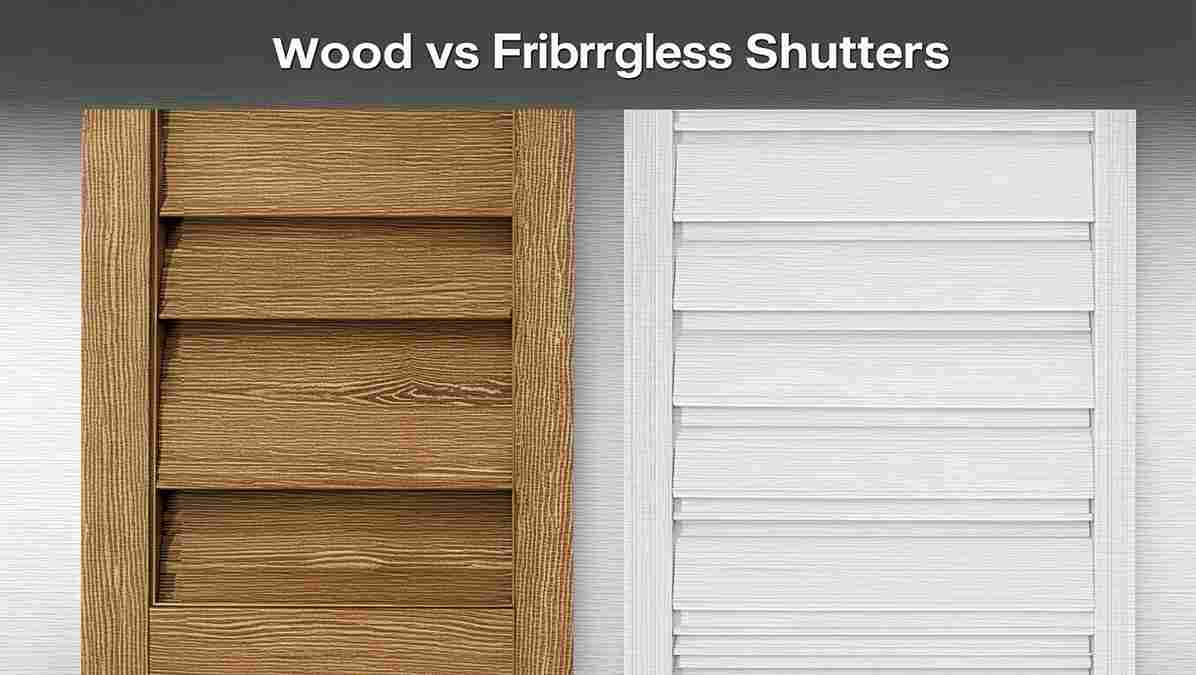
Wood has long been valued for its natural grain and warmth. It provides a timeless look that complements traditional and modern architecture alike. exterior wood shutters can be customized with various stains, paints, and panel designs, allowing for a fully tailored appearance that matches any exterior.
Fiberglass offers a smooth surface that can mimic the look of wood while maintaining consistent color and finish. Because it is molded, it delivers uniformity and crisp lines that appeal to contemporary tastes. With fiberglass shutters, homeowners can achieve a polished aesthetic without the imperfections natural materials sometimes show.
Durability and Weather Resistance
Durability is often the deciding factor when comparing these materials. Fiberglass is known for its resistance to moisture, warping, and cracking. It performs well in areas with high humidity or intense sunlight, maintaining shape and color over time with minimal care.
Wood, while strong and beautiful, requires more attention. Without proper sealing and maintenance, it can absorb moisture or fade in harsh sunlight. Regular refinishing helps preserve its surface and prevents decay, making it a good choice for those willing to invest in periodic upkeep.
Maintenance and Longevity
Maintenance demands differ significantly. Fiberglass typically requires only occasional cleaning to remove dirt and debris. Its finish lasts for years without repainting, which makes it appealing for those seeking a low-maintenance option.
Wood shutters need more hands-on care. To retain their charm, they should be inspected regularly for peeling paint or minor rot. Refinishing every few years ensures longevity and keeps the wood protected from environmental stress.
Energy Efficiency and Insulation
Both materials contribute to home efficiency by adding an extra layer of insulation. Wood naturally insulates well, helping stabilize indoor temperatures. Fiberglass also offers solid energy performance due to its density and resistance to heat transfer, making it an effective barrier against temperature fluctuations.
Environmental Considerations
Homeowners concerned about sustainability often appreciate wood’s renewable qualities when sourced responsibly. It can be refinished instead of replaced, extending its useful life. Fiberglass, though not organic, is highly durable and long-lasting, reducing the frequency of replacement and waste.
Cost and Long-Term Value
Initial costs vary depending on design, finish, and size. Wood may be less expensive upfront but can require additional investment in maintenance over time. Fiberglass tends to have a higher initial price, yet its low upkeep and longevity can make it more cost-effective in the long run.
Choosing the Right Option
When selecting between wood and fiberglass, consider climate, desired appearance, and tolerance for maintenance. Those who value natural texture and are comfortable with upkeep may prefer wood. Homeowners seeking durability and consistency often find fiberglass more practical.
Understanding how each material performs helps ensure shutters remain both functional and visually appealing for years. Whether the choice leans toward the authentic charm of wood or the resilience of fiberglass, both can enhance a home’s exterior with the right care and installation.