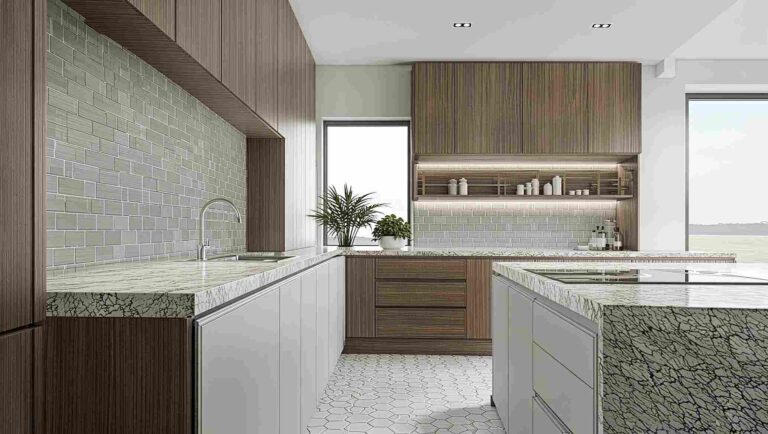
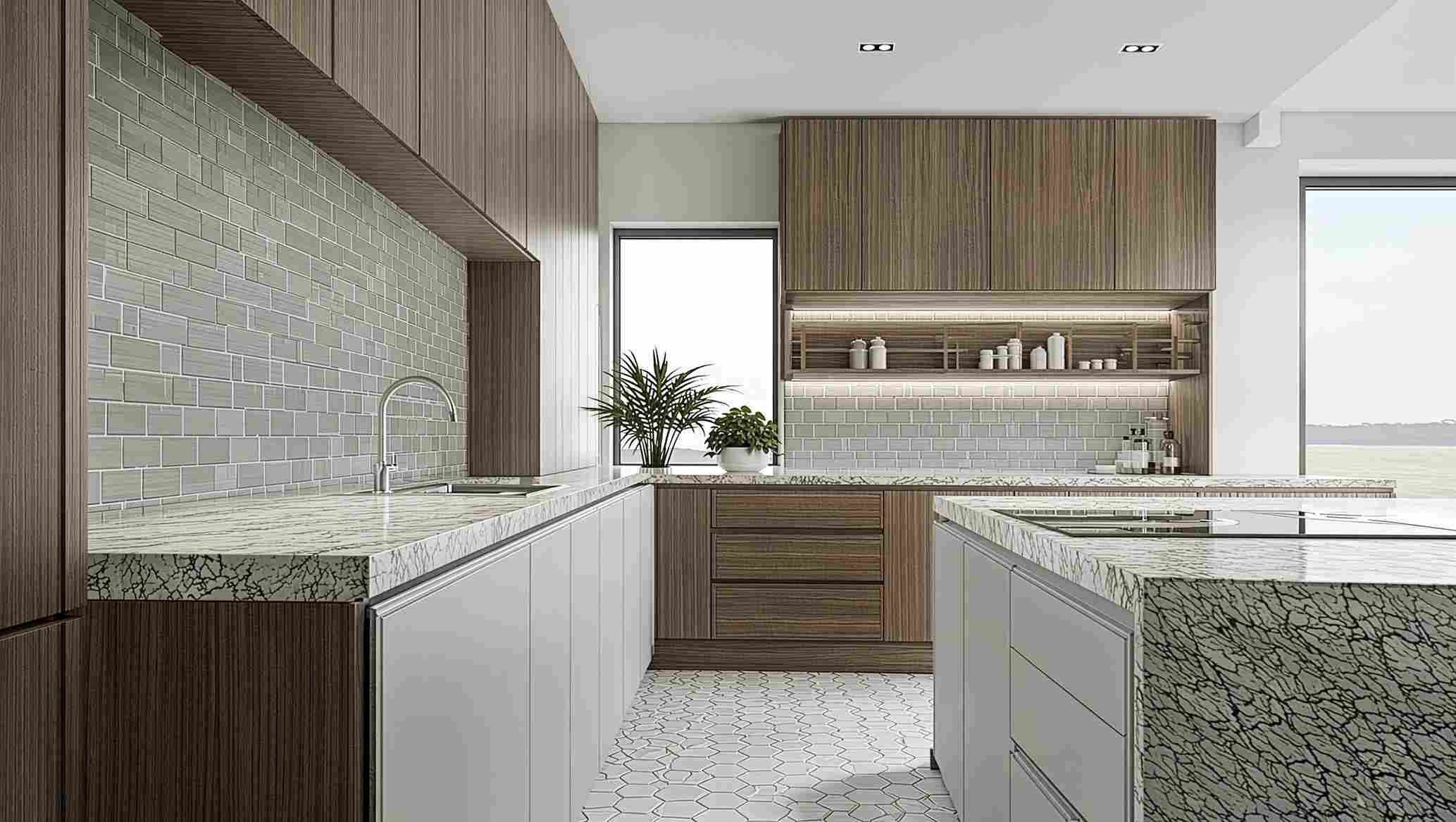
A well-designed kitchen combines functionality with aesthetic appeal, creating a space that supports both cooking and connection. Planning a renovation requires thoughtful decisions about layout, materials, and design details that enhance daily living while reflecting personal style.
Assessing Your Current Kitchen
Begin by evaluating how your kitchen currently performs. Consider what works well and what causes frustration. Think about the flow between cooking, cleaning, and storage areas. Identifying these strengths and weaknesses guides the renovation toward meaningful improvements.
Ask yourself whether the existing layout allows for efficient movement. Sometimes, small adjustments to counter placement or cabinet configuration can significantly improve usability without major construction.
Setting a Realistic Budget
Establishing a clear budget early in the process helps manage expectations and prioritizes spending. Include all costs such as materials, labor, and unexpected contingencies. A transparent budget supports better decisions about where to invest and where to simplify.
It can be helpful to consult experienced professionals like kitchen designers who understand how to balance style and practicality within financial limits. Their expertise often prevents costly mistakes and ensures that resources are used efficiently.
Designing for Functionality
Functionality is the cornerstone of any successful kitchen renovation. Focus on creating a logical workflow that supports how you cook and entertain. The classic work triangle between the sink, stove, and refrigerator remains a useful guideline, but modern lifestyles may require flexible alternatives.
- Maximize counter space near cooking zones for preparation.
- Ensure adequate lighting for both tasks and ambiance.
- Choose durable materials that handle everyday wear.
- Include accessible storage for frequently used items.
Thoughtful planning also considers ergonomics. For example, positioning drawers instead of deep cabinets can make items easier to reach, enhancing comfort and efficiency.
Choosing Materials and Finishes
The surfaces and finishes you select define the visual impact of your kitchen. Cabinetry, flooring, and countertops should complement one another while meeting daily performance needs. Durable finishes simplify maintenance and maintain their appearance over time.
Whether you prefer natural wood tones or sleek modern textures, consistency in color and material quality creates harmony. Small details like hardware shape or backsplash design can subtly influence the overall mood.
Storage and Organization
Modern kitchens prioritize smart storage that adapts to different uses. Custom inserts, pull-out shelves, and vertical solutions help maintain order while keeping essentials within easy reach. Efficient organization contributes as much to beauty as design finishes do.
When selecting new cabinetry, consider space optimization. Homeowners exploring options for kitchen cabinets in Barrie can find a variety of designs tailored to specific needs, from compact apartments to large family kitchens.
Lighting and Atmosphere
Lighting transforms how a kitchen feels and functions. Layered illumination, including ambient, task, and accent lighting, ensures the space is both practical and inviting. Under-cabinet lighting enhances visibility, while pendant fixtures can highlight design features or dining areas.
Natural light should also be considered during planning. Windows or skylights not only brighten the space but can also improve energy efficiency and mood.
Bringing It All Together
A successful kitchen renovation blends thoughtful planning, quality materials, and skilled design. Each choice, from layout to lighting, contributes to a cohesive environment that supports cooking and gathering comfortably. By prioritizing function and beauty equally, the final result becomes a lasting centerpiece of the home.