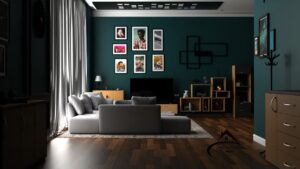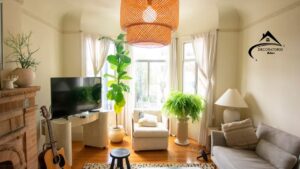
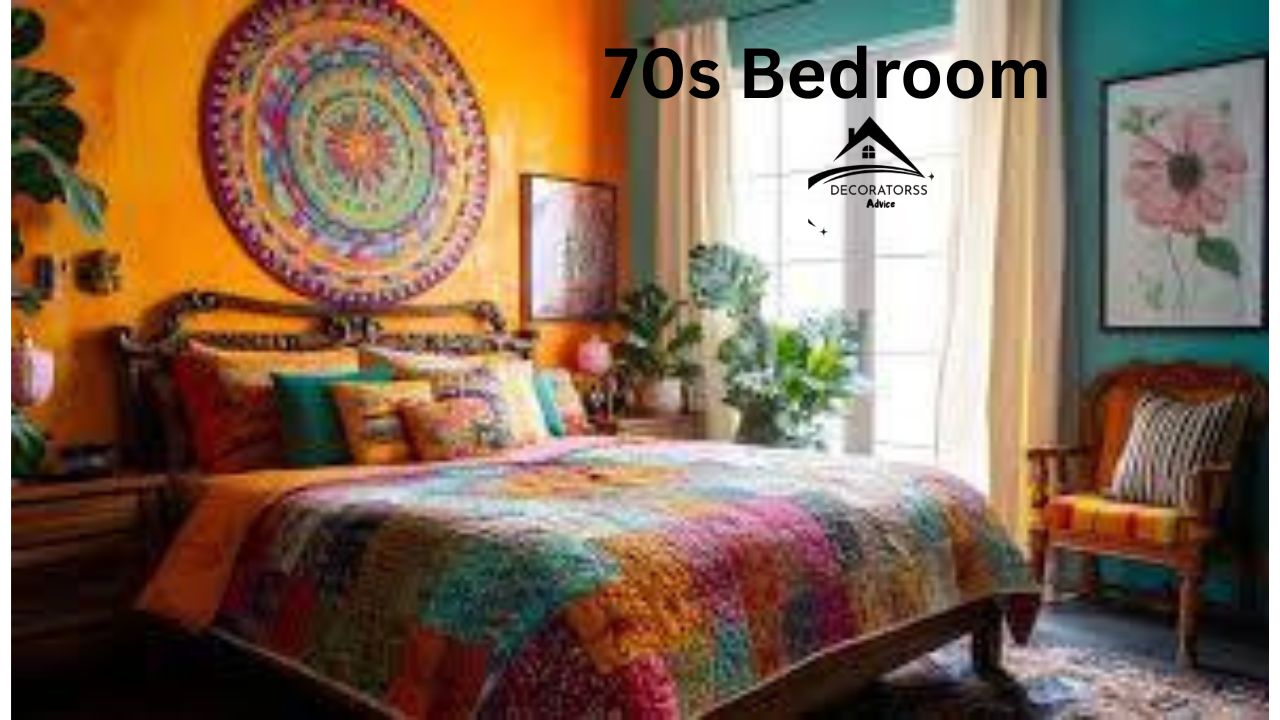
If there’s one thing that instantly brings a 70s bedroom to life, it’s color. The moment you walk into the room, the colors should make you feel warm, calm, and relaxed—almost like getting a comforting hug after a long day.
The 1970s didn’t love plain or boring colors. Instead, this era celebrated shades inspired by nature, sunlight, soil, and warmth. That’s why a well-done 70s bedroom decor never feels cold or empty. It feels grounded, cozy, and full of emotion.
Let’s explore these iconic color palettes together—slowly, simply, and in a way that’s easy to imagine.
Why Color Matters So Much in a 70s Bedroom
In modern bedrooms, color is often an afterthought. White walls, gray bedding, and maybe one accent pillow.
But in a 70s style bedroom, color leads the design.
Color in the 70s was used to:
- Create comfort
- Show personality
- Set a relaxed mood
That’s why most real 70s bedroom spaces feel warm the moment you step inside. The colors work together to calm your mind and help you unwind.
This is also why people searching for 70s bedroom ideas often say they want their room to feel “cozy,” “inviting,” or “peaceful.”
The Heart of the 70s Color Palette: Earthy Tones
The 70s loved nature, and it shows clearly in the colors.
A classic 70s bedroom aesthetic is built on earthy shades that feel soft and grounding, never harsh or bright.
The most popular colors included:
- Burnt orange
- Mustard yellow
- Avocado green
- Deep brown
- Warm beige
These colors remind us of sunsets, forests, soil, and autumn leaves. That’s why they work so beautifully in a 70s inspired bedroom.
Burnt Orange: The Soul of the 70s Bedroom
Burnt orange is one of the most iconic colors in 70s bedroom design.
It’s bold, but not loud. Warm, but not overpowering.
In a 70s retro bedroom, burnt orange can be used as:
- An accent wall
- Bedding color
- Pillows or throws
This color adds instant warmth and energy, making the room feel alive and welcoming. It’s a favorite choice in many 70s master bedroom designs because it feels cozy without being childish.
Mustard Yellow: Warm, Happy, and Cozy
Mustard yellow brings sunshine into the room—but in a soft, calm way.
In a 70s decor bedroom, mustard yellow often appears in:
- Curtains
- Bedding
- Wall art
This color pairs beautifully with brown and green, which is why it’s common in 70s bedroom decor ideas. It makes the space feel cheerful and relaxed at the same time.
Even a small touch of mustard can completely change the mood of a room.
Avocado Green: Calm and Grounded
Avocado green is another color that instantly says “1970s.”
It’s earthy, gentle, and soothing—perfect for creating a peaceful 70s inspired bedroom decor look.
This shade works well for:
- Accent walls
- Rugs
- Upholstered furniture
Many 70s bedrooms used green to help people relax and sleep better. That’s why it’s still popular today in aesthetic 70s bedroom designs.
Brown and Beige: The Foundation Colors
Brown and beige were the quiet heroes of the 70s.
They often acted as the base colors in a 70s interior design bedroom, helping brighter shades feel balanced and calm.
You’ll often see brown and beige in:
- Furniture
- Walls
- Rugs
These colors make the room feel stable and grounded, which is why they’re perfect for a 70s master bedroom or a relaxing personal space.
How 70s Colors Work Together
One of the secrets behind a beautiful 70s bedroom aesthetic is balance.
The 70s didn’t mix colors randomly. They paired bold shades with softer ones so the room never felt too busy.
A simple rule many designers followed (and still do today):
- 1 main color
- 1 or 2 supporting colors
- 1 neutral color
For example:
- Burnt orange + avocado green + beige
- Mustard yellow + brown + cream
This approach keeps your 70s bedroom decor looking cozy, not chaotic.
Using 70s Colors in Modern Bedrooms
You don’t need to repaint your entire room to enjoy 70s bedroom inspiration.
Here are easy ways to bring in color:
- Start with bedding
- Add pillows or throws
- Use wall art or 70s bedroom posters
- Add a rug
Even small touches can give your space a true 70s aesthetic bedroom vibe.
Bold vs Soft: Choosing the Right Intensity
Not every 70s bedroom needs bold colors everywhere.
If you love calm spaces, choose softer versions of 70s colors:
- Muted orange instead of bright orange
- Olive green instead of dark green
This works especially well in a 70s boho bedroom or a smaller room where too much color might feel heavy.
Color and Emotion: How a 70s Bedroom Makes You Feel
Colors affect emotions more than we realize.
A well-balanced 70s inspired bedroom can make you feel:
- Relaxed
- Safe
- Comfortable
- Inspired
That emotional warmth is why people still love 70s bedroom inspo today. These colors don’t just decorate a room—they create a mood.
Common Color Mistakes to Avoid
When creating a 70s bedroom decor look, avoid these mistakes:
- Using too many bold colors at once
- Ignoring neutral shades
- Choosing overly bright modern tones
A true real 70s bedroom feels calm, not loud.
Color Is the First Step to a True 70s Bedroom
To wrap it up, color is the foundation of every successful 70s bedroom design.
Once you get the colors right:
- Furniture choices become easier
- Decor feels more natural
- The room instantly feels authentic
Whether you’re designing a cozy 70s hippie bedroom, a relaxed 70s boho bedroom, or a warm 70s master bedroom, starting with the right color palette sets you up for success.
70s Bedroom Furniture Essentials (Comfort, Shape, and Soul)
Now that you’ve wrapped your head around color, it’s time to talk about something just as important—furniture. In fact, furniture is where a 70s bedroom really starts to feel real.
You can paint the walls the perfect shade of burnt orange, but without the right furniture, the room won’t feel complete. A true real 70s bedroom is relaxed, grounded, and comfortable—and the furniture plays a huge role in that feeling.
Let’s explore this step by step, in a simple and friendly way.
What Makes 70s Bedroom Furniture So Special?
Unlike modern furniture that often looks sharp and stiff, 70s bedroom furniture feels:
- Low to the ground
- Solid and sturdy
- Soft around the edges
Furniture in the 1970s was made for real living. People lounged, relaxed, read, listened to music, and spent time in their bedrooms. That’s why a 70s style bedroom never feels formal—it feels welcoming.
This is one reason why 70s bedroom ideas are so popular again today. People want comfort back in their homes.
Low Beds: The Heart of a 70s Bedroom
One of the most noticeable features of a 70s inspired bedroom is the bed height.
Beds in the 70s were usually low-profile, meaning they sat closer to the floor. This made the room feel calm, grounded, and cozy.
In a 70s bedroom aesthetic, you’ll often see:
- Platform beds
- Simple wooden bed frames
- Wide headboards
These beds didn’t scream for attention—they blended into the room and let the colors and textures shine.
This style works beautifully in a 70s master bedroom, where comfort matters more than flash.
Matching Furniture Was a Big Deal
In many homes, bedrooms came as a complete 70s bedroom set.
This often included:
- A bed frame
- Two nightstands
- A dresser or chest
Everything matched in color, material, and style. This created a sense of balance and calm—something many modern bedrooms are missing.
If you’re aiming for a true 70s bedroom decor look, matching furniture can instantly make your space feel authentic.
Materials That Defined the 70s
When it comes to 70s bedroom furniture, materials matter just as much as shape.
The most common materials included:
- Wood (especially dark or warm-toned wood)
- Rattan and wicker
- Cane details
These materials added warmth and texture, which is why they’re still used in 70s bedroom decor ideas today.
Wood furniture, in particular, gives a room that grounded, earthy feeling that defines a 70s interior design bedroom.
Curved Shapes and Soft Edges
Straight lines weren’t very popular in the 70s. Instead, furniture often had:
- Rounded corners
- Soft curves
- Gentle shapes
This made bedrooms feel safer and more relaxed.
In a 70s retro bedroom, you might notice:
- Rounded headboards
- Curved nightstands
- Smooth dresser edges
These shapes help create that cozy, laid-back vibe people love in an aesthetic 70s bedroom.
Nightstands That Were Simple and Useful
Nightstands in the 70s were practical, not decorative.
They were used to hold:
- Lamps
- Books
- Glasses
- Personal items
In a 70s inspired bedroom decor style, nightstands are usually:
- Short and wide
- Made of wood
- Simple in design
They don’t steal attention. They support the space quietly, which fits perfectly with the relaxed energy of 70s bedrooms.
Dressers and Storage: Solid and Grounded
Storage furniture in a 70s bedroom was built to last.
Dressers were:
- Wide rather than tall
- Heavy and solid
- Made from real wood
This gave rooms a strong foundation and helped keep everything organized.
In a 70s master bedroom, a large wooden dresser often acted as a visual anchor, balancing out bold colors and patterns elsewhere in the room.
Seating in the Bedroom Was Normal
Unlike many modern bedrooms, 70s bedrooms often included seating.
You might find:
- A cushioned chair
- A small bench
- A soft lounge seat
This made the bedroom feel like a place to spend time, not just sleep.
Adding seating is a great way to bring 70s bedroom inspiration into modern homes, especially if you want your room to feel cozy and lived-in.
Furniture Colors That Worked Best
Furniture colors in a 70s decor bedroom usually stayed warm and natural.
Common tones included:
- Dark brown
- Walnut
- Honey wood
- Soft beige
These shades worked beautifully with bold wall colors and helped create balance in a 70s bedroom design.
Avoid bright white or shiny finishes—they can make the room feel too modern and take away from the 70s bedroom aesthetic.
Boho and Hippie Furniture Styles
In a 70s boho bedroom or 70s hippie bedroom, furniture often felt more relaxed and handmade.
You might see:
- Rattan beds
- Wicker chairs
- Simple wooden pieces
These styles reflect the free-spirited side of the 70s and work beautifully in a 70s inspired bedroom with plants, textiles, and layered decor.
Modern Homes, 70s Furniture Feel
You don’t need vintage furniture to create a 70s aesthetic bedroom.
Many modern furniture pieces are inspired by 70s shapes and materials. Look for:
- Low beds
- Warm wood tones
- Rounded edges
Mixing new furniture with old ideas is a smart way to enjoy 70s bedroom inspo without making your room feel outdated.
Common Furniture Mistakes to Avoid
When working on 70s bedroom decor, try to avoid:
- Furniture that’s too tall or bulky
- Ultra-modern glossy finishes
- Sharp, boxy designs
A real 70s bedroom should feel soft, grounded, and welcoming.
Furniture Sets the Mood of the Room
At the end of the day, furniture does more than fill space—it sets the mood.
The right 70s bedroom furniture:
- Makes the room feel calm
- Encourages relaxation
- Supports the overall design
Whether you’re styling a cozy 70s master bedroom, a playful 70s retro bedroom, or a laid-back 70s inspired bedroom decor look, furniture is the backbone of the space.