
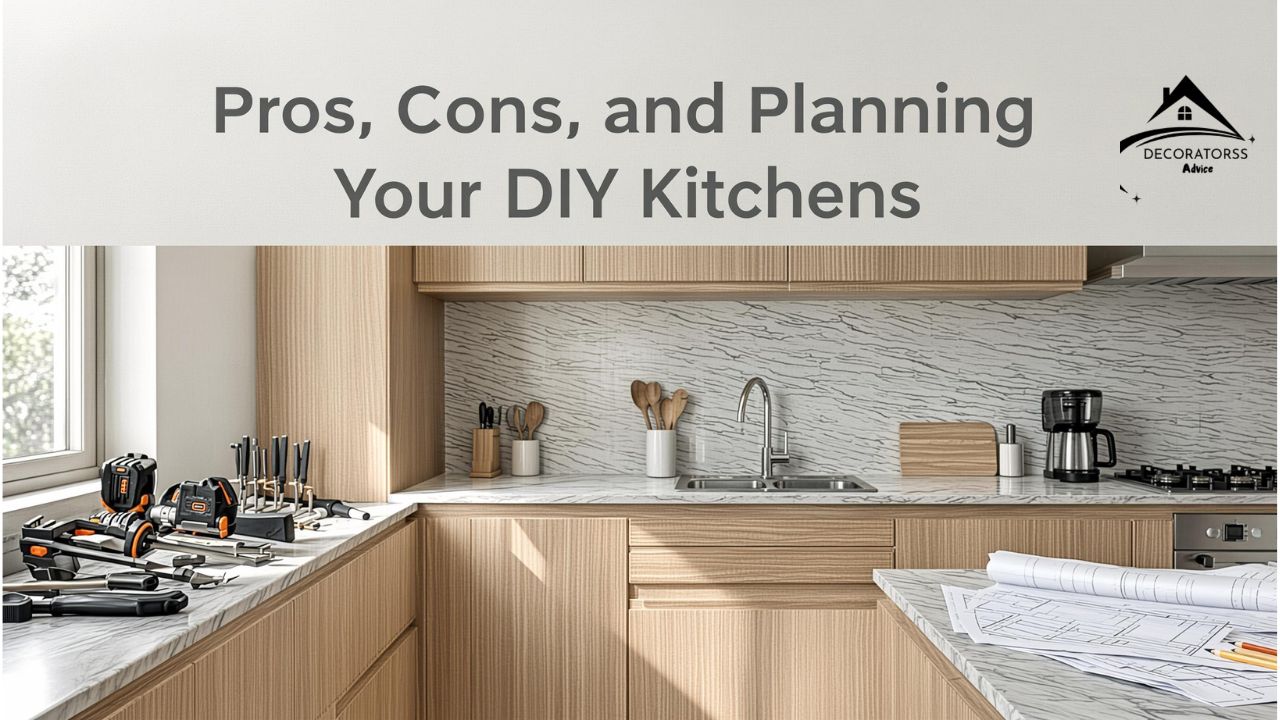
So, you’ve learned what DIY kitchens are and why they’re so popular. Now it’s time to dig a little deeper. In this section, we’re going to explore the pros and cons of DIY kitchens and how to plan your kitchen like a pro—even if you’ve never done a renovation before.
The Benefits of DIY Kitchens
Let’s start with the good stuff—the reasons why DIY kitchens are a brilliant choice:
1. Save Money Without Sacrificing Quality
One of the biggest draws of DIY kitchens is the cost savings. When you install a kitchen yourself, you cut out expensive labor fees. And here’s the best part: the materials and cabinets in DIY kitchens are often the same quality as fitted kitchens, so you’re not giving up durability for savings.
2. Complete Creative Control
With DIY kitchens, you call the shots. Want a bright yellow island? A quirky cabinet arrangement? Or open shelves instead of cupboards? It’s all up to you. DIY kitchens give you the freedom to design a space that’s not just functional but also reflects your personality.
3. Flexibility in Design
Every family has unique needs. Maybe you cook a lot, bake with kids, or love entertaining. DIY kitchens allow you to design the layout, choose storage solutions, and pick materials that suit your lifestyle. No cookie-cutter kitchens here—everything is tailored to you.
4. Hands-On Satisfaction
There’s something magical about walking into a kitchen you built yourself. DIY kitchens offer a sense of accomplishment you simply don’t get with pre-fitted kitchens. Every cabinet installed, every shelf aligned—it’s proof of your effort and creativity.
5. Quick Updates and Adjustments
Because you’re in charge, DIY kitchens are easy to tweak or upgrade later. Add extra shelves, swap handles, or repaint cabinets without waiting for a contractor. Your kitchen can grow and change as your needs do.
The Challenges of DIY Kitchens
Okay, let’s keep it real—DIY kitchens aren’t perfect. Here are some of the things you might face:
1. Time and Effort
Installing a kitchen takes effort. DIY kitchens require planning, measuring, and a lot of assembling. It’s not impossible, but you’ll need patience. Rushing can lead to mistakes, which might cost more time later.
2. Skill Level
You don’t need to be a pro, but some basic skills help. Drilling, aligning cabinets, and installing countertops correctly can be tricky. Fortunately, DIY kitchens often come with detailed instructions and online tutorials to guide you.
3. Potential for Mistakes
Even with instructions, errors can happen. A misaligned cabinet or incorrect measurement is frustrating. But remember: mistakes are part of the learning process, and correcting them is easier than paying for a contractor to redo it.
4. Heavy Lifting
Some DIY kitchens components, like cabinets or countertops, are heavy. It’s safer and faster to have two people for these tasks. Don’t worry—you’ll also get a great workout!
5. Limited Technical Support
While brands of DIY kitchens provide guides and support, you might not have a contractor on call. It’s important to plan ahead, follow instructions carefully, and ask questions before you start.
Planning Your DIY Kitchen: The Smart Way
If you’ve decided DIY kitchens are right for you, planning is the key to success. Here’s how to get it right:
Step 1: Measure Your Space Accurately
Grab a tape measure and write down the dimensions of your kitchen. Include walls, windows, doors, corners, and ceiling height. Accurate measurements are the foundation of successful DIY kitchens.
Step 2: Decide on a Layout
Think about how you move in your kitchen. Where will you cook, wash, and store items? Popular layouts for DIY kitchens include L-shaped, U-shaped, galley, or open-plan kitchens. Sketch it out or use online kitchen planners to visualize your design.
Step 3: Set a Budget
Even though DIY kitchens are cheaper, costs add up. Factor in cabinets, countertops, appliances, tools, and unexpected expenses. Having a budget ensures you can buy everything you need without stress.
Step 4: Choose Your Style
Do you love modern minimalism, cozy farmhouse vibes, or something colorful and fun? With DIY kitchens, your style sets the tone. Pick colors, finishes, and materials that make your heart happy.
Step 5: Select Materials and Components
Cabinets, drawers, countertops, and handles—all matter in DIY kitchens. Durable materials mean your kitchen will last longer. Consider quality, cost, and how easy it is to install.
Step 6: Plan for Appliances and Storage
Don’t forget functional elements. Plan where the oven, fridge, and dishwasher will go. Include storage for pots, pans, and pantry items. Smart planning makes DIY kitchens not just beautiful, but highly practical.
Step 7: Gather Tools and Resources
Most DIY kitchens come with basic instructions, but having drills, screwdrivers, spirit levels, and clamps will make life easier. Check if the brand offers online tutorials—they can save you hours.
Step 8: Consider Help
You can do most of the work solo, but some parts are easier with a friend or family member. Installing heavy cabinets or large countertops is safer with two.
Tips to Avoid Common Mistakes in DIY Kitchens
- Don’t Skip Planning – Planning is the foundation of all successful DIY kitchens.
- Measure Twice, Cut Once – Even small errors can lead to misaligned cabinets.
- Follow Instructions Carefully – They’re there for a reason!
- Start Small if You’re a Beginner – Tackle one section first to gain confidence.
- Use Quality Tools – Cheap tools can make a simple job frustrating.
- Check Your Budget – Don’t forget screws, adhesives, or unexpected items.
DIY Kitchens Are for Everyone
One of the best things about DIY kitchens is how accessible they are. You don’t need a construction degree or years of experience. With patience, planning, and a sense of adventure, almost anyone can create a beautiful, functional kitchen.
Even if you’ve never held a drill before, DIY kitchens give you a chance to learn, experiment, and see your ideas come to life. And the best part? Every meal you cook, every coffee you make, will remind you of the effort you put into your space. That’s the real magic of DIY kitchens—they’re not just a project; they’re an experience.
Wrap-Up
By now, you’ve learned the pros and cons of DIY kitchens, and you know exactly how to plan your project for success. Remember: careful measurements, smart layout planning, and choosing the right materials are key to a kitchen you’ll love for years.