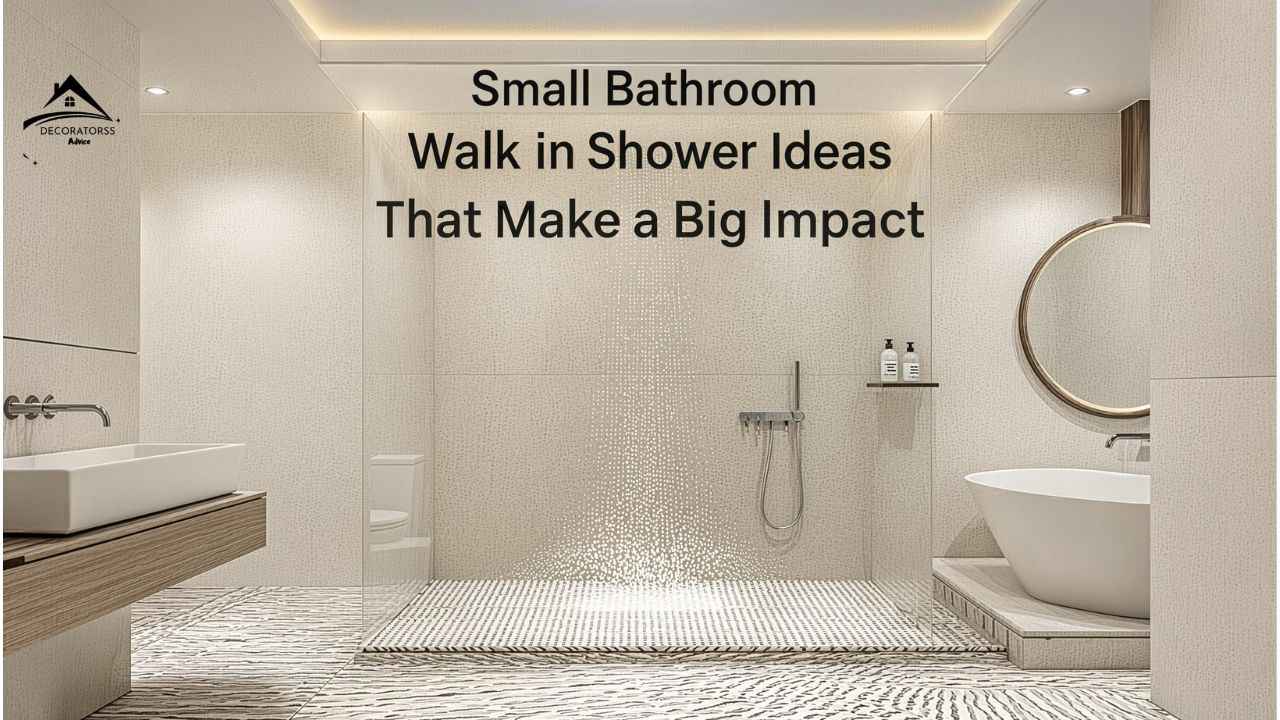
When people talk about a walk in shower, they might imagine anything from a sleek, frameless glass box to a cozy corner nook. But what exactly makes a shower a “walk-in” shower? Understanding this is the first step in planning your perfect bathroom oasis.
Definition and Concept
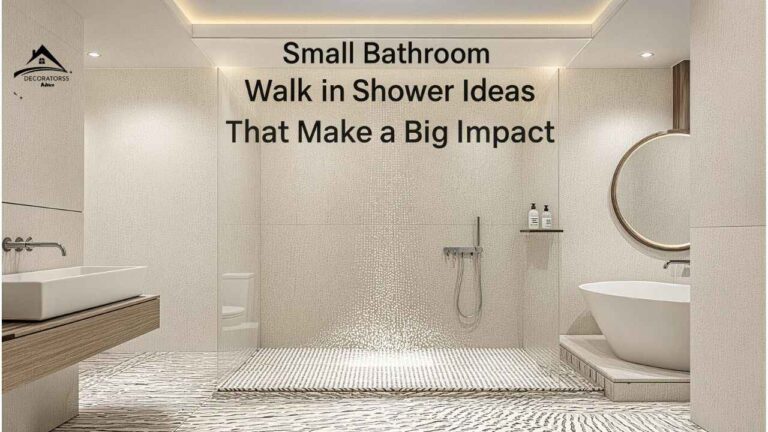
A walk in shower is exactly what it sounds like: a shower that you can literally walk into, without doors, tubs, or barriers in your way. Unlike traditional showers, which may have sliding doors or high rims, walk-in showers are open and spacious. They’re designed to create a smooth, easy entry, making them ideal for:
- Small bathrooms that need a space-saving layout
- Master bathrooms where luxury and style are top priorities
- Accessible bathrooms for people of all ages
The magic of a walk in shower is its simplicity. It’s a design that feels open, airy, and welcoming—almost like stepping into a miniature spa right in your home.
Types of Walk-In Showers
Walk-in showers come in many styles, so you can pick one that fits your bathroom’s size, layout, and personality. Here are the main types:
- Open-Concept Walk-In Showers
These showers have no doors at all. Water is usually contained with a slight slope in the floor. This design works beautifully with walk in shower floor tile ideas, letting you play with texture and patterns. - Glass-Enclosed Walk-In Showers
While still “walk-in,” these showers have frameless or semi-frameless glass panels. They provide a barrier for water while maintaining the open, spacious look. You can mix and match walk in shower tile ideas for walls and floors to create a visually stunning effect. - Corner Walk-In Showers
Perfect for small bathroom walk in shower ideas, corner showers fit snugly into a tight space while still feeling open. Add a glass panel and light-colored tiles, and your corner suddenly feels like the center of attention. - L-Shaped Walk-In Showers
These larger showers are great for master bathrooms, offering room for dual shower heads, benches, and storage niches. Pair with luxurious walk in shower tile ideas and walk in shower floor tile ideas to enhance the spa-like feel.
Walk-In Showers vs Traditional Showers
It’s worth understanding why walk-in showers are often preferred over traditional showers:
| Feature | Walk-In Shower | Traditional Shower |
|---|---|---|
| Entry | No doors, easy step-in | Sliding doors or bathtub rim |
| Space Feeling | Open, airy, spacious | Can feel cramped |
| Maintenance | Easy to clean, less water trapped | Tracks and doors need regular cleaning |
| Accessibility | Ideal for all ages | Harder for elderly or kids |
| Style Options | Endless design flexibility | Limited by doors/tub combo |
With a walk in shower, you’re not just upgrading a bathroom; you’re upgrading the experience. The room feels larger, cleaner, and more luxurious.
Why People Choose Walk-In Showers
The reasons people are switching to walk in showers go beyond style. Here are some common motivations:
- Space Efficiency
Especially in small bathrooms, a small bathroom walk in shower ideas layout can make the room feel bigger and brighter. - Luxury Feel
From master bathroom walk in shower ideas to spa-style retreats, these showers add an immediate sense of elegance. - Customizable Design
With countless walk in shower tile ideas and walk in shower floor tile ideas, you can match the design to your taste—modern, rustic, minimalist, or glamorous. - Safety and Accessibility
The step-in entry makes the shower safer for children, elderly family members, and anyone with mobility concerns. - Easy Maintenance
Fewer doors and edges mean less cleaning and fewer areas where mold or mildew can grow. Choosing the right walk in shower tile ideas also makes cleaning a breeze.
Design Considerations for Your Walk-In Shower
Planning a walk-in shower requires thinking about more than just looks. Here are key points to consider:
- Shower Size: Determine whether you need a full-size or compact shower based on your space.
- Tile Selection: Combine walk in shower tile ideas and walk in shower floor tile ideas to create a balanced, stylish look.
- Water Containment: Even open designs need slight slopes or clever drainage.
- Glass Panels: Frameless panels help contain water while keeping the open feeling.
- Lighting: Good lighting makes your shower inviting and highlights your tile patterns.
Tip: If you’re planning a master bathroom walk in shower, consider dual shower heads, built-in benches, or even a rainfall shower for that extra touch of luxury.
Common Myths About Walk-In Showers
Some people hesitate to install a walk-in shower because of a few myths:
- “It will leak all over my bathroom.”
With proper floor slopes and drainage, walk-in showers are no messier than traditional showers. - “It’s only for big bathrooms.”
Not true! There are plenty of small bathroom walk in shower ideas that maximize space without sacrificing style. - “They’re expensive.”
You can design a luxurious or simple walk-in shower depending on your budget. Clever use of walk in shower tile ideas and walk in shower floor tile ideas can achieve high impact at reasonable cost.
Visual Inspiration Tips
When choosing your walk-in shower design, think about how tiles, finishes, and lighting work together:
- Wall Tiles: Pick something durable and visually appealing. Subway tiles, marble, or mosaics are all great options.
- Floor Tiles: Textured tiles prevent slips while adding charm. Consider walk in shower floor tile ideas that contrast with wall tiles for drama.
- Glass Panels: Keep the area open and let natural light flow.
- Accent Features: Built-in niches, benches, or colored tiles add personality and functionality.
Remember: The key to stunning walk in shower ideas is blending beauty with practicality.
Conclusion
Understanding what a walk in shower is and how it differs from traditional showers is the foundation for designing your dream bathroom. Whether you’re exploring small bathroom walk in shower ideas or luxurious master bathroom walk in shower ideas, the combination of smart design, careful tile selection, and practical layout ensures your shower is both gorgeous and functional.
By keeping your goals clear and planning for both style and usability, you’re well on your way to creating a space that feels open, modern, and truly your own.